
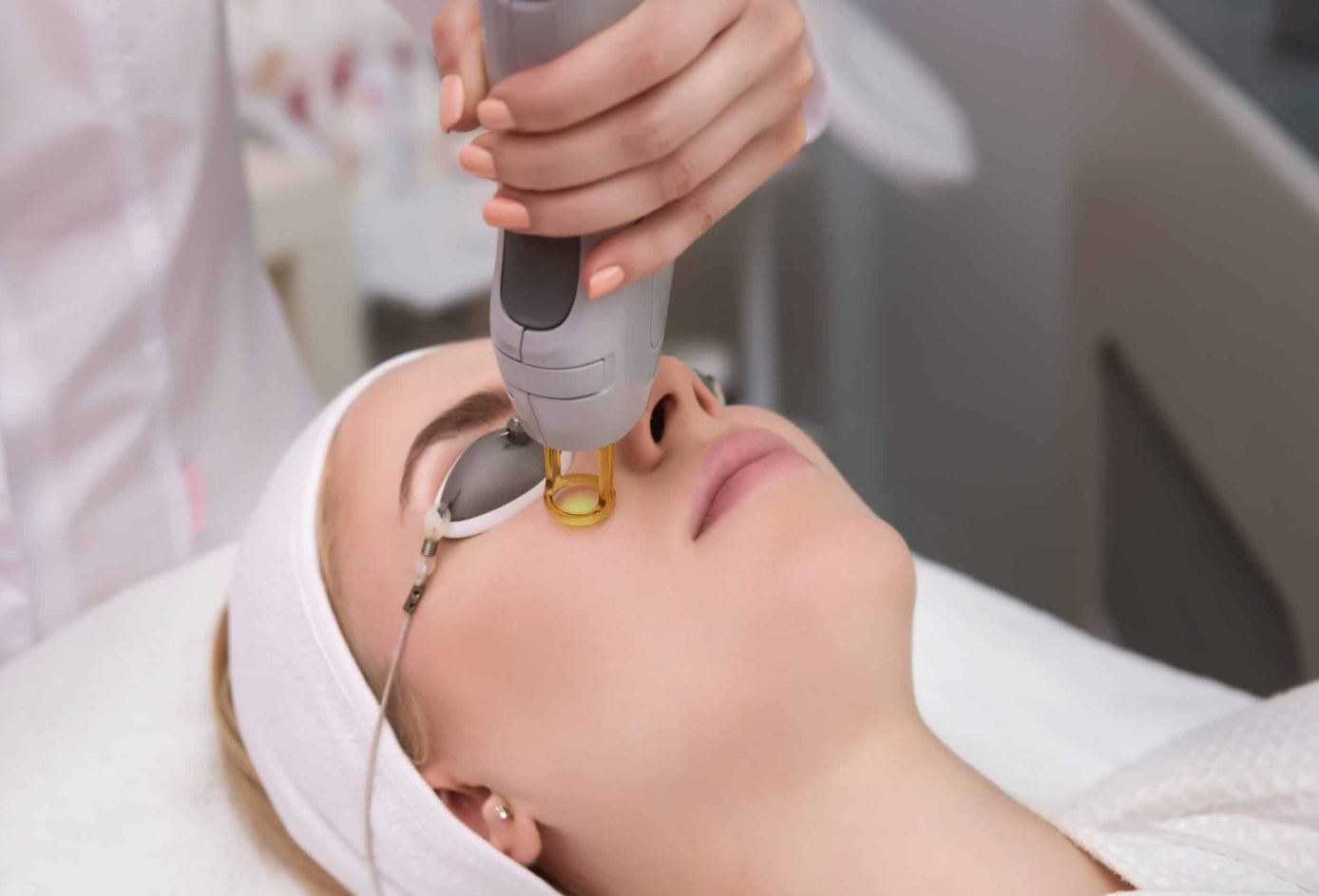
Modern skincare combines daily habits with professional treatments that can target specific cosmetic concerns. While cleansers, moisturizers, and sunscreen remain important, some people look for additional options when they want to improve the appearance of pigmentation, uneven texture, fine lines, or other skin changes. Laser treatment is one of the technologies used in aesthetic medicine to address selected concerns with controlled light energy. Coolaser Clinic provides professional aesthetic services for people interested in personalized approaches to skin care and rejuvenation.
The Growing Role of Professional Skin Care
Skin changes naturally over time. Environmental exposure, genetics, hormonal changes, lifestyle, and the aging process can all influence how the skin looks and feels.
A daily skincare routine can help support the skin, but topical products have limitations. Professional procedures offer different ways to target specific concerns.
Laser technology has become an important part of this category because different devices can be adapted to different cosmetic goals.
What Does Laser Treatment Actually Mean?
The term laser treatment covers a wide range of procedures rather than one specific technique.
Laser devices produce concentrated light at selected wavelengths. Depending on the technology, this energy can interact with pigmentation, blood vessels, hair follicles, or targeted layers of skin.
Some procedures focus on resurfacing, while others are designed for pigmentation, unwanted hair, or selected vascular concerns.
This variety is why choosing a procedure should begin with identifying the specific skin concern rather than simply choosing a laser by name.
Common Reasons to Explore Laser Procedures
People may consider professional laser care for a variety of cosmetic concerns.
Depending on the technology, treatment may be used to address:
- Uneven skin tone
- Certain forms of pigmentation
- Sun-related skin changes
- Fine lines
- Uneven texture
- Acne-related scarring
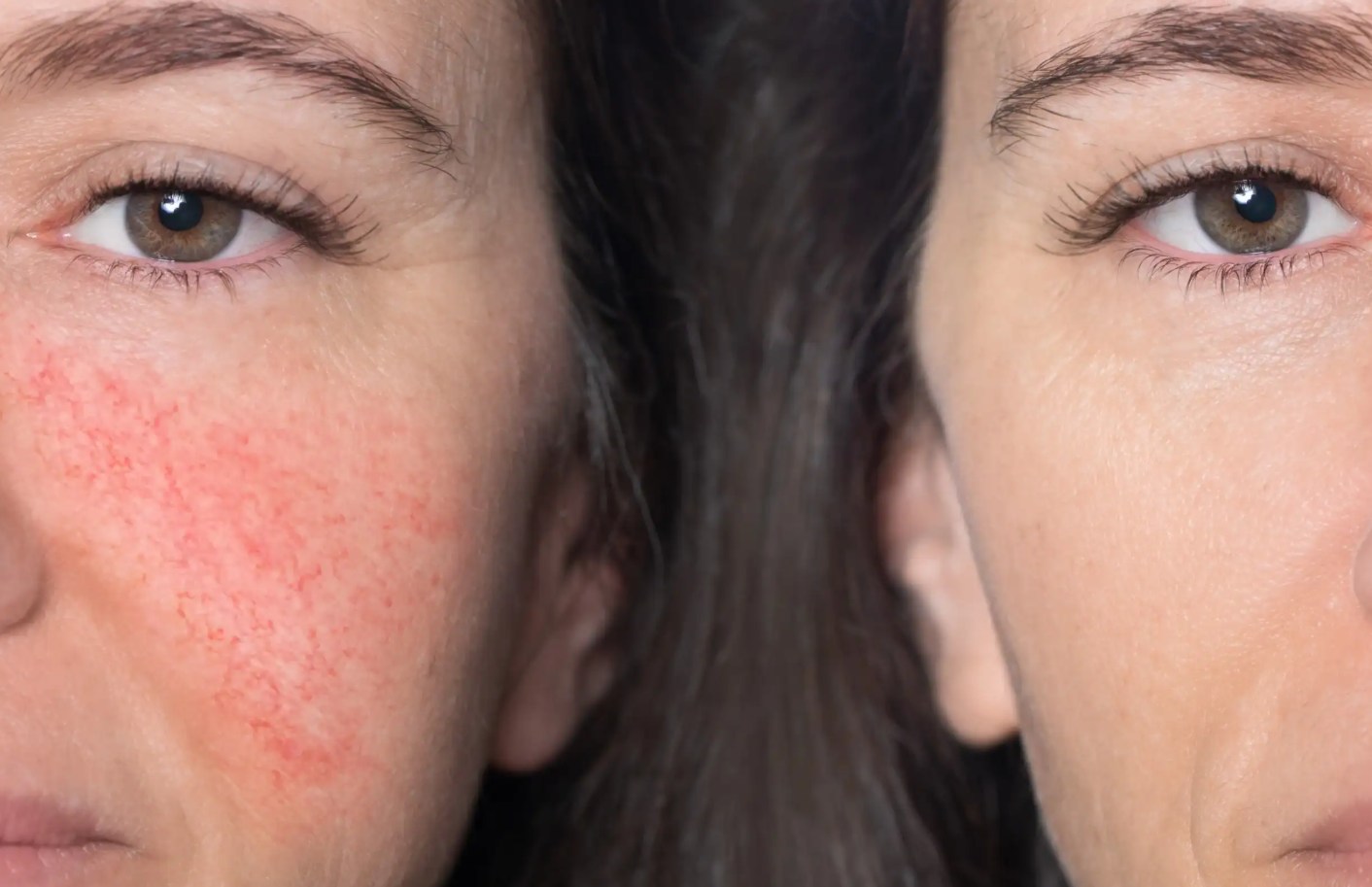
- Selected types of redness
- Unwanted hair
Not every procedure is suitable for every person. Skin characteristics and the underlying cause of the concern should be considered before treatment.
How Laser Resurfacing Can Affect the Skin
Laser resurfacing is designed to create controlled changes in selected layers of the skin. This can encourage a natural healing and renewal response.
As the skin recovers, its surface may gradually become smoother and more even. Depending on the treatment, resurfacing may also improve the appearance of certain fine lines or scars.
The intensity of treatment can range from relatively gentle procedures to more intensive resurfacing. Recovery expectations therefore vary significantly.
Why Treatment Should Be Personalized
Two people can have similar-looking skin concerns but require completely different treatment approaches.
Skin type, pigmentation, sensitivity, age, previous procedures, medications, and recent sun exposure can all affect treatment planning.
A professional consultation allows the specialist to evaluate these factors and determine whether a particular laser procedure is appropriate.
In some situations, another cosmetic treatment may provide a more suitable approach.
Preparing Your Skin
Preparation depends on the procedure being considered. Some patients may receive instructions about sun exposure, shaving, skincare products, or other aspects of their routine.
It is important to provide accurate information about current medications and skincare products. Certain ingredients or treatments may need to be paused before a procedure.
Patients should also avoid assuming that preparation recommendations for one laser procedure apply to another. The correct instructions depend on the technology and treatment goals.
What Can You Expect During a Session?
The sensation during treatment varies. Some procedures can create warmth or tingling, while others may produce short pulses of discomfort.
Cooling technology or topical numbing products may be used for certain treatments to improve comfort.
The length of a session depends on the treatment area and procedure. A small area may require relatively little time, while larger or more complex treatments can take longer.
Before beginning, the professional should explain what the patient is likely to experience.
Understanding Downtime
One of the most important questions before laser treatment is how much recovery will be required.
Gentler procedures may cause temporary redness or sensitivity but allow a relatively quick return to everyday activities. More intensive resurfacing can involve swelling, peeling, redness, or increased sensitivity for a longer period.
Patients should plan their schedules according to the expected recovery rather than assuming every laser procedure has the same downtime.
Aftercare Makes a Difference
Following professional aftercare instructions can help support the recovery process.
Depending on the procedure, recommendations may include:
- Avoiding direct sunlight
- Applying recommended skincare products
- Keeping the treated area clean
- Avoiding harsh exfoliation
- Limiting activities that could irritate the skin
- Avoiding picking or peeling treated areas
Patients should follow the specific instructions provided by their treating professional.
Protecting the Skin From the Sun
Sun protection should be part of any long-term skincare routine. Ultraviolet exposure can contribute to premature aging and pigmentation, which may affect the appearance of the skin even after professional treatment.
After certain laser procedures, protecting the treated area from excessive sun exposure becomes particularly important.
Using an appropriate sunscreen and following professional guidance can help support the skin during recovery.
How Many Treatments Are Needed?
The number of sessions depends on the procedure and the concern being addressed.
Some patients may notice changes after one session, while other treatment plans involve several appointments. Sessions may be spaced apart to give the skin enough time to recover.
A professional can explain the expected schedule during consultation and adjust the plan based on the skin’s response.
Laser Care and Everyday Skincare
Professional treatment should not replace basic skincare habits.
A balanced routine can include gentle cleansing, moisturizing, appropriate sun protection, and products selected for the individual’s skin type.
These habits can help support the skin between professional appointments and may also contribute to maintaining its overall appearance.
The goal is to create a sustainable approach rather than rely entirely on occasional procedures.
Final Thoughts
Laser treatment offers a range of possibilities for people interested in modern aesthetic skincare. Different technologies can target different concerns, including uneven pigmentation, texture, fine lines, selected scars, redness, and unwanted hair.
However, choosing the right procedure requires an individual approach. A professional consultation can help determine whether laser technology is appropriate, what type of treatment may be considered, and what preparation and recovery might involve.
When combined with consistent daily skincare and sensible sun protection, professional treatments can become part of a broader approach to maintaining healthy-looking skin.


