
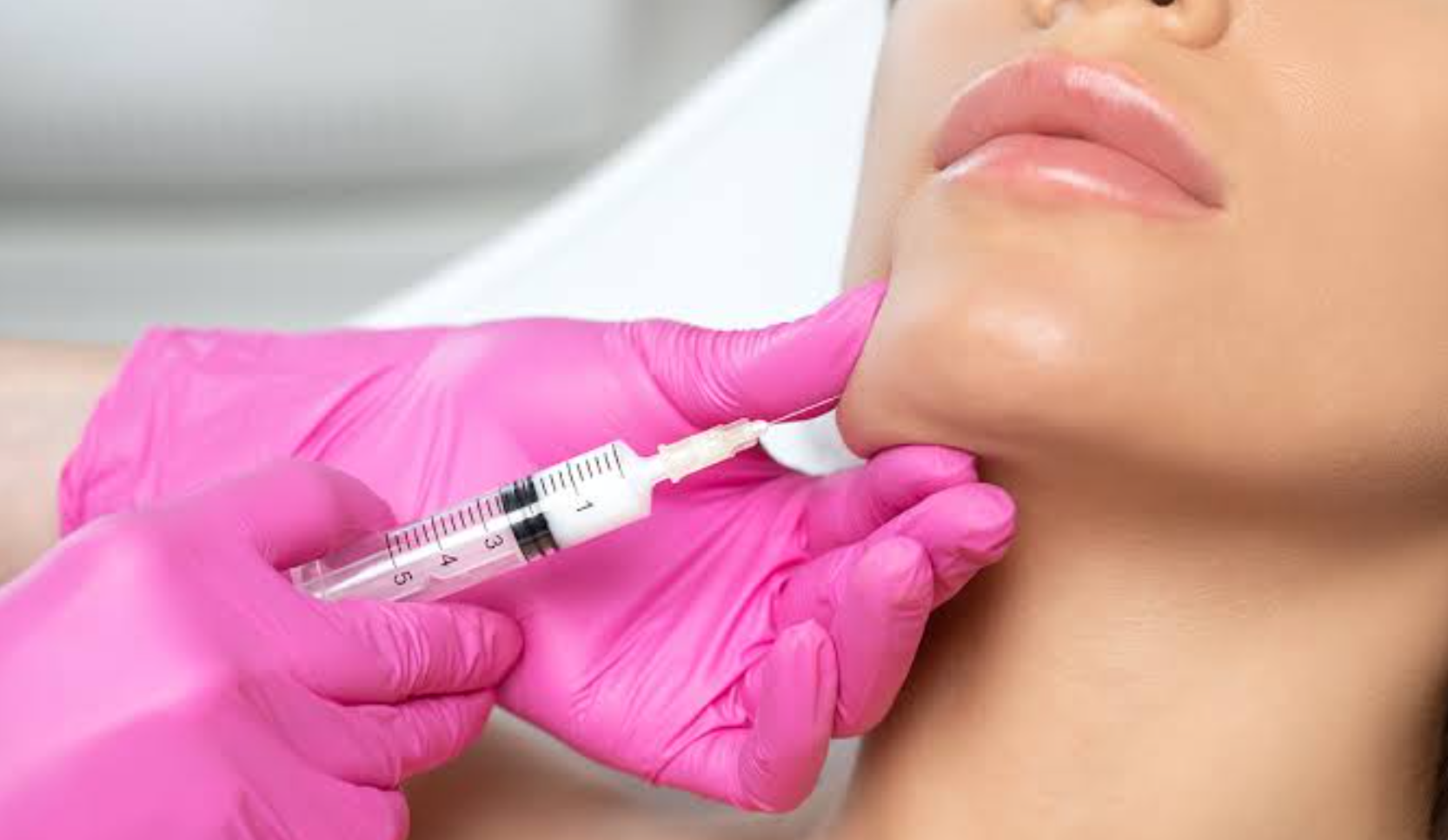
Personal appearance is closely connected with individual confidence, but the reasons people explore cosmetic treatments are rarely the same. Some want to address changes caused by aging, while others are interested in restoring facial fullness after significant weight fluctuations. Modern aesthetic medicine offers different approaches to these concerns, including Coolaser Clinic, where readers can learn more about facial fat grafting. This procedure uses a patient’s own fat to add volume to selected facial areas, but deciding whether it is appropriate requires an understanding of its purpose, limitations, and possible risks.
Cosmetic Treatment Starts With Understanding the Concern
One of the most important steps in choosing an aesthetic procedure is identifying the specific issue a person wants to address.
A face that appears tired or less defined may reflect several different changes. Reduced volume can create hollow areas, while decreased skin elasticity may contribute to sagging. Wrinkles, pigmentation, and uneven texture introduce additional considerations.
These concerns may require different treatments. For example, a procedure designed to restore volume will not necessarily improve skin discoloration or significantly tighten loose tissue.
A professional assessment helps distinguish between these factors. Instead of selecting a treatment based on a photograph or a popular trend, patients can discuss the changes they notice and explore options that address their actual needs.
Understanding the Idea Behind Fat Grafting
Facial fat grafting is a procedure that transfers fat from one area of the patient’s body to selected areas of the face.
The process usually involves collecting fat from a suitable donor location, processing the tissue, and placing it into specific facial regions. The abdomen and thighs are possible donor areas, although the choice depends on individual anatomy and the treatment plan.
Practitioners may consider this approach when someone wants to restore fullness in areas such as the cheeks or temples. The aim is to improve selected contours while maintaining the person’s natural facial proportions.
One characteristic of this procedure is its use of the patient’s own tissue. However, fat transfer remains a surgical treatment. It requires appropriate medical expertise, and the use of natural tissue does not eliminate the possibility of complications.
Why the Right Candidate Matters
A procedure may be suitable for one person but inappropriate for another. Facial anatomy, general health, available donor fat, and individual expectations all influence treatment decisions.
A consultation should include a review of medical history, current medications, previous cosmetic procedures, and lifestyle factors that may affect healing. The practitioner should also evaluate whether the patient’s concerns are related to volume loss.
People with significant skin laxity may need to consider other options. Similarly, someone seeking a dramatic change in facial structure may have expectations that fat transfer cannot realistically meet.
The decision should be based on medical suitability rather than the assumption that every person experiencing facial volume changes needs treatment.
What Patients Should Know About the Procedure
The treatment plan determines which areas will be addressed, how much fat may be collected, and how the transferred tissue will be placed.
Patients should ask their practitioner to explain the planned technique and the type of anesthesia involved. They should also understand where the donor fat will come from and what recovery may involve for both the donor and recipient areas.
The procedure requires careful placement because facial tissues differ in structure and thickness. Treatment around delicate areas demands particular attention to anatomy and safety.
It is also important to understand that not all transferred fat survives. The body naturally reabsorbs some of the tissue, so the amount of retained volume varies between patients.

Recovery and the Importance of Follow-Up
After facial fat grafting, swelling, bruising, tenderness, and temporary unevenness may occur. These effects can affect both the face and the donor area.
The initial appearance may not reflect the eventual result. As swelling decreases and healing progresses, some transferred fat is naturally reabsorbed. This process takes time, making follow-up appointments an important part of treatment.
Patients should follow their surgeon’s instructions regarding activity restrictions, wound care, sleeping positions, and the return to everyday routines.
They should also know which symptoms require medical attention. Severe pain, unusual skin discoloration, vision changes, or rapidly worsening swelling require urgent evaluation.
Looking Beyond Before-and-After Photographs
Photographs can help patients understand the types of changes a procedure may produce. However, they should not be treated as a promise of individual results.
Lighting, camera angles, facial expressions, and the time between photographs can influence how outcomes appear. More importantly, each person’s anatomy and healing response are different.
A useful consultation should include realistic examples and an honest discussion of limitations. Patients should ask how results are assessed, whether additional treatment might be necessary, and what happens if the outcome differs from their expectations.
Potential complications also deserve attention. These may include infection, bleeding, asymmetry, contour irregularities, fat necrosis, and changes in sensation. Rare but serious vascular complications are possible as well.
Making a Decision With Long-Term Perspective
Aesthetic procedures should fit into a person’s broader health and lifestyle considerations. Patients need to think about recovery time, financial costs, follow-up care, and the possibility that results may change over time.
It is worth comparing available treatments rather than assuming that one technique is always the best choice. In some cases, a less invasive option may better match the patient’s goals. In others, no procedure may be necessary.
The most valuable outcome of a consultation is a clear understanding of the available choices and their limitations. Patients should feel comfortable asking questions and taking time before making a commitment.
Final Thoughts
Facial fat grafting can be an option for people who want to address selected areas of facial volume loss using their own tissue. However, the procedure requires careful planning, realistic expectations, and an understanding of possible complications.
A well-informed decision begins with identifying the concern, evaluating individual suitability, and discussing alternatives with a qualified medical professional. This approach helps keep personal goals and medical considerations at the center of aesthetic treatment.


